

Enhancing Durability: Quality Materials in Construction

In the world of construction, the choice of materials can make or break a project. With increasing demands for sustainability, efficiency, and longevity, understanding the importance of quality materials is essential. This blog post delves into how selecting the right materials enhances durability, ensuring that structures withstand the test of time while meeting modern standards.
The Importance of Quality Materials
Quality materials are the backbone of any construction project. They not only contribute to the structural integrity of buildings but also affect maintenance costs, energy efficiency, and overall aesthetics. Here are some key reasons why quality materials matter:
Longevity: High-quality materials can significantly extend the lifespan of a structure. For example, using treated wood or high-grade steel can prevent issues like rot and corrosion.
Safety: Durable materials reduce the risk of structural failures, ensuring the safety of occupants. Buildings made from inferior materials may face serious risks during extreme weather conditions.
Cost-Effectiveness: While quality materials may come with a higher initial cost, they often lead to lower maintenance and repair costs over time, making them a wise investment.
Types of Quality Materials in Construction
When it comes to construction, various materials are known for their durability. Here’s a closer look at some of the most commonly used quality materials:
Concrete
Concrete is one of the most widely used construction materials due to its strength and durability. It can withstand harsh weather conditions and is resistant to fire and pests.
Benefits:
- High compressive strength
- Versatility in design
- Low maintenance requirements
Steel
Steel is another popular choice, especially for commercial buildings. Its high tensile strength makes it ideal for structures that require support over large spans.
Benefits:
- Resistance to warping and shrinking
- Recyclable and sustainable
- Quick to assemble
Wood
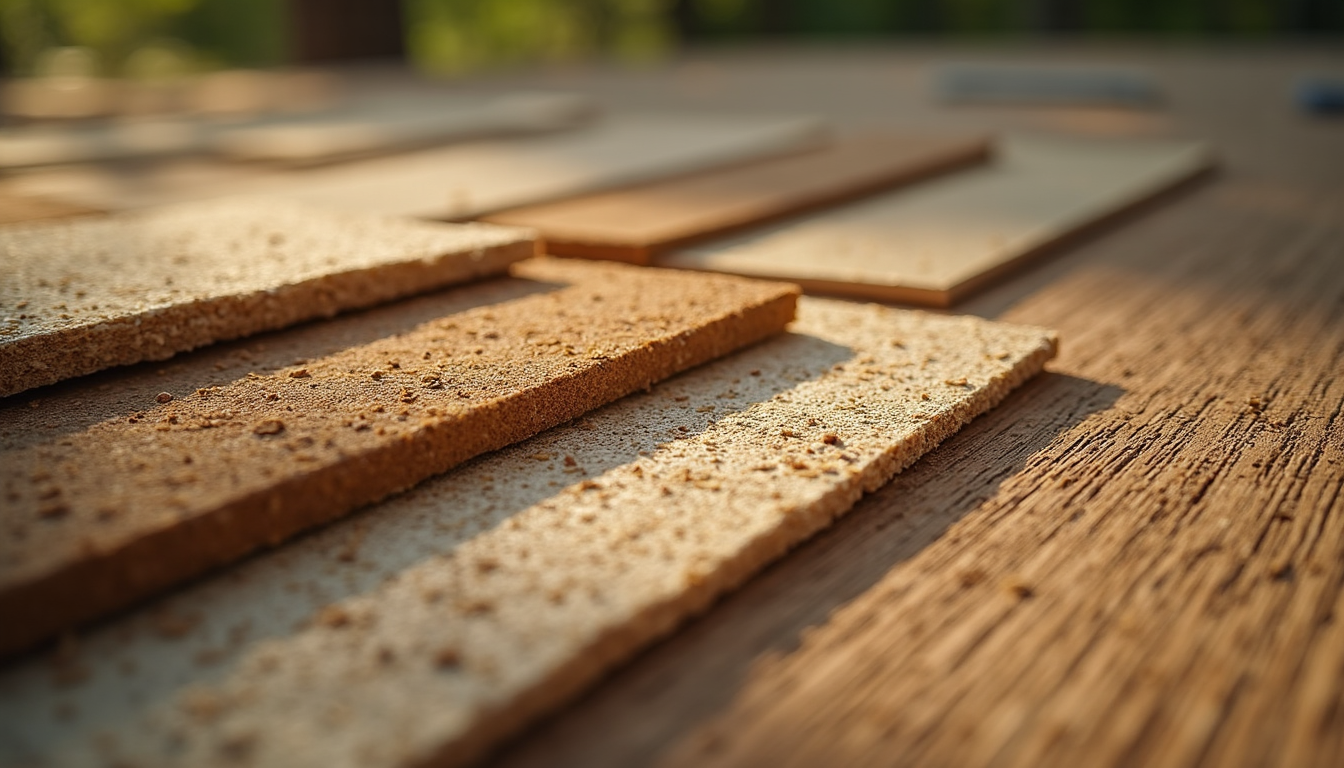
While often seen as less durable than concrete or steel, high-quality wood can be incredibly resilient. Treated wood, for instance, is designed to resist moisture and pests.
Benefits:
- Aesthetic appeal
- Natural insulation properties
- Renewable resource
Brick and Stone
Brick and stone have been used for centuries due to their durability and timeless appeal. They are resistant to fire and pests, making them a solid choice for exterior walls.
Benefits:
- Low maintenance
- Excellent thermal mass
- Variety of styles and colors
The Role of Technology in Material Selection
Advancements in technology have revolutionized the construction industry, particularly in material selection. Here are some ways technology is enhancing the durability of construction materials:
Smart Materials
Smart materials can adapt to environmental changes, improving the longevity of structures. For example, self-healing concrete can repair its own cracks, significantly extending its lifespan.
Sustainable Materials
The push for sustainability has led to the development of eco-friendly materials that do not compromise on durability. Recycled steel and bamboo are excellent examples of sustainable materials that offer strength and resilience.
Advanced Testing Methods
Modern testing methods allow builders to assess the durability of materials before they are used. This ensures that only the best materials are selected for construction projects.
Case Studies: Successful Use of Quality Materials
The Burj Khalifa
The Burj Khalifa in Dubai is a prime example of how quality materials contribute to a building's success. The structure uses high-strength concrete that allows it to reach unprecedented heights while maintaining stability.
The Sydney Opera House
The Sydney Opera House showcases the use of durable materials in a unique design. Its shell-like roof is made from reinforced concrete, ensuring it withstands the elements while providing an iconic aesthetic.
Challenges in Material Selection
Despite the clear benefits of using quality materials, there are challenges that builders face:
Cost: High-quality materials often come with a higher price tag, which can be a barrier for some projects.
Availability: Not all regions have access to quality materials, which can limit options for builders.
Knowledge Gap: Some builders may lack the knowledge or resources to select the best materials for their projects.
Best Practices for Selecting Quality Materials
To ensure the durability of construction projects, builders should follow these best practices:
Conduct Thorough Research: Understand the properties and benefits of different materials before making a selection.
Consult Experts: Engage with architects and engineers who have experience in material selection.
Consider Local Conditions: Choose materials that are suitable for the local climate and environmental conditions.
Prioritize Sustainability: Whenever possible, opt for sustainable materials that offer durability without harming the environment.
Conclusion
The choice of materials in construction is crucial for enhancing durability and ensuring the longevity of structures. By prioritizing quality materials, builders can create safe, efficient, and aesthetically pleasing buildings that stand the test of time. As technology continues to evolve, the options for durable materials will only expand, providing even more opportunities for innovation in the construction industry.

As you embark on your next construction project, remember the importance of quality materials. They are not just a choice; they are an investment in the future of your structures.
Comments